
January 17, 2026
Vol. 2, Issue 8 | April 6, 2026 - April 12, 2026

CURATOR’S NOTE
The closet had no door.
Just wooden beads. A soft clatter.
It smelled like the Hayden Burns Library. Old copies of LIFE and EBONY. A collection of World Books nestled in the opposite corner along with the Collected Works of Khalil Gibran.
The closet was in the den, one step down from the living room. Both rooms brimming on holidays. Both rooms were hers.
Her name was Jean.
They sat in her living room. After Sunday supper and holiday gatherings. Women who came to church pageants and school performances.
Their names are on a wall at the Cummer Museum of Art and Gardens.
Emma Moran.
Gloriden J. Norris.
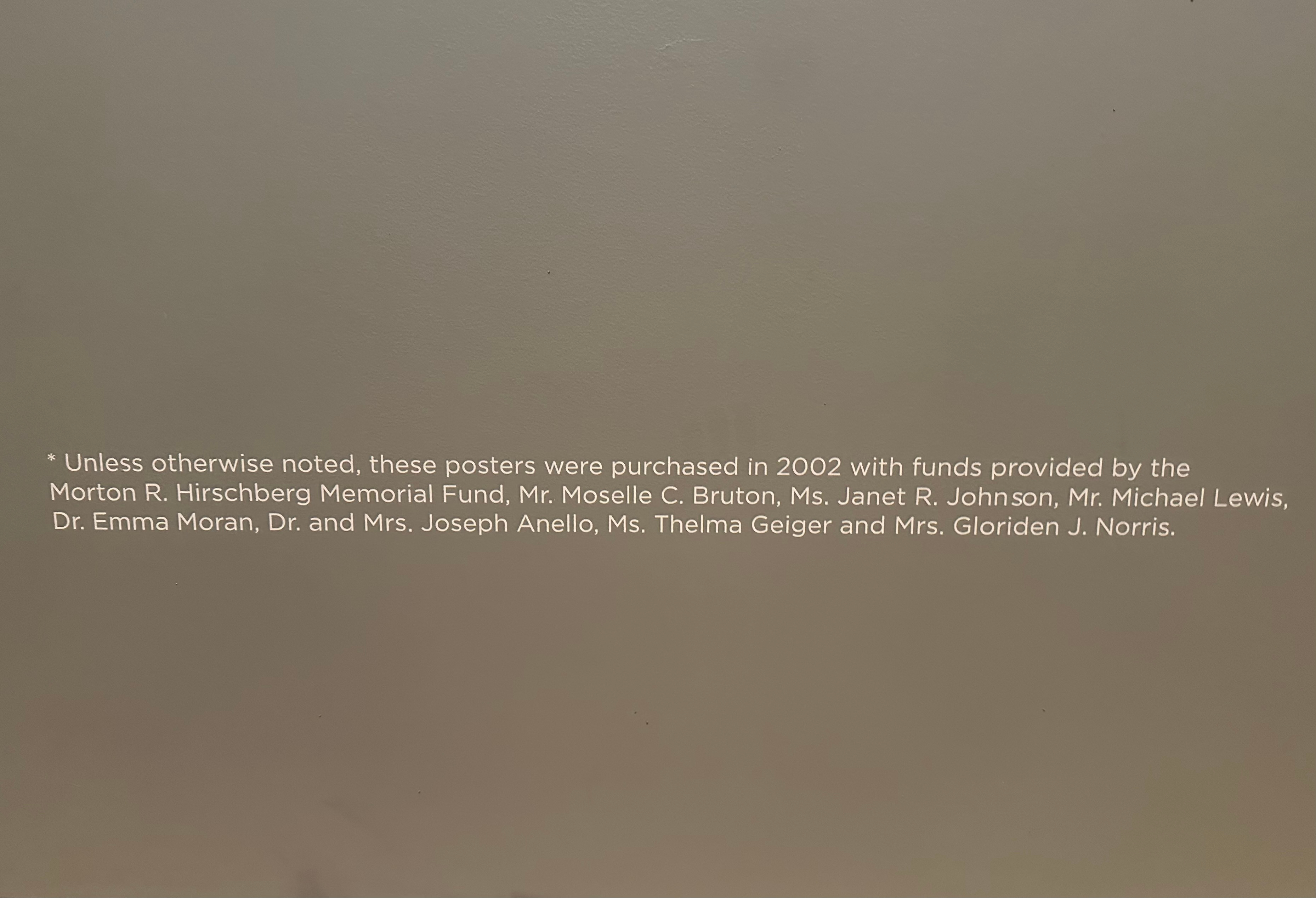
Mrs. Norris wore a broad smile. She always arrived quietly.
Dr. Moran sat in a pew at Mount Olive AME Church. Alone.
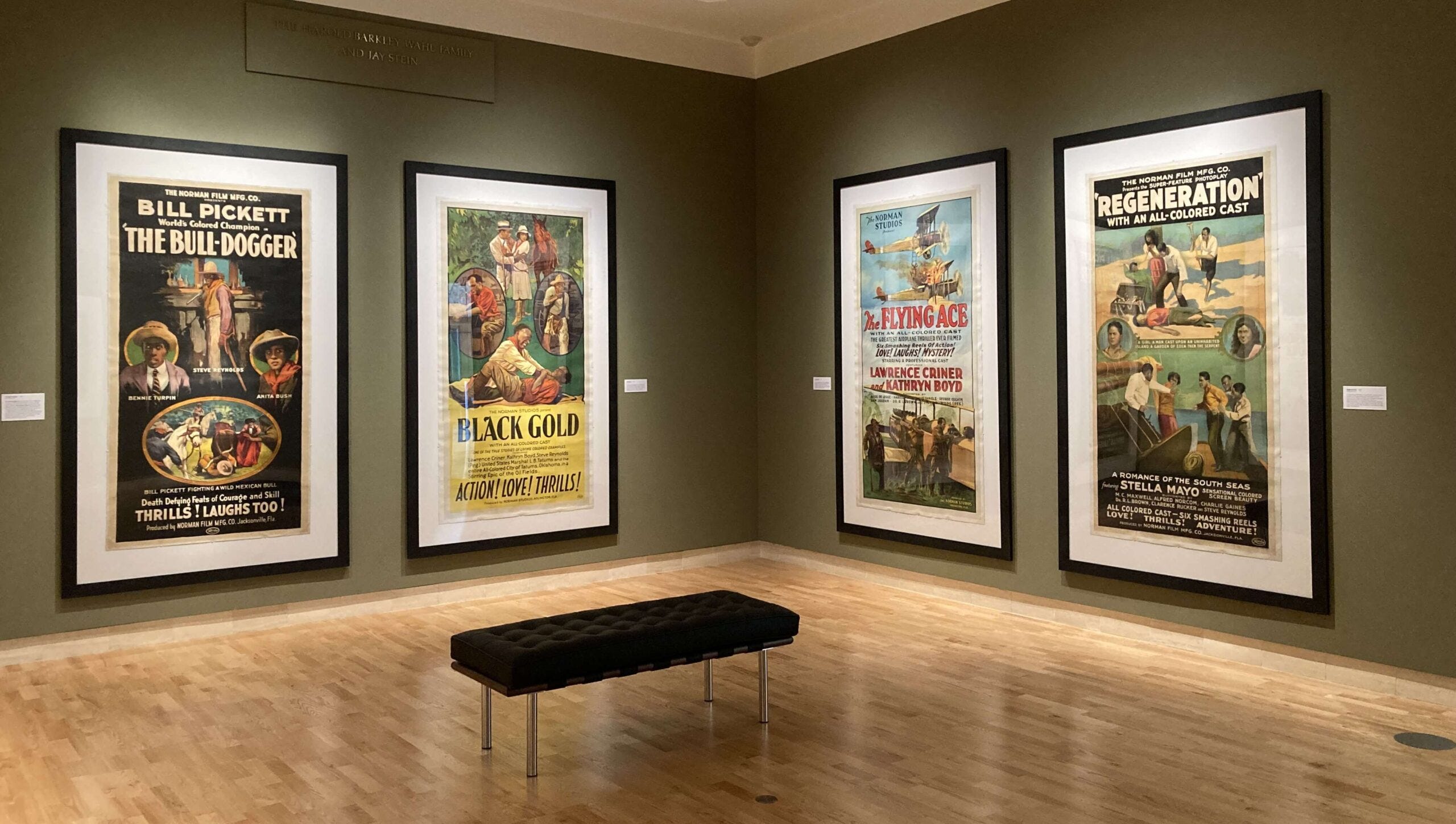
They helped preserve Norman Studios film posters. Films shot in Jacksonville before Hollywood decided who Black people would be on screen.
Black cowboys.
Black pilots.
Black businessmen.
Bessie Coleman had written to Norman Studios about making a film of her life. She never made it. She died in Jacksonville on April 30, 1926. One day before she was to fly at Paxon Field. That same year, The Flying Ace opened. The film historians say inspired the boys who became Tuskegee Airmen.
Most of that era’s race films were lost. Or destroyed.
Someone decides what we keep.
Jean decided for us.
She was my Mimi.
Her closet is gone. I don’t know what came of the magazines. I don’t know if anyone remembered to keep the April 12, 1968 issue of LIFE.
Sometimes we have no choice at all.
What we preserve and what we lose are not the same choice.
—Khalilah L. Liptrot
Curator, The Black Third
FEATURED PORTRAIT
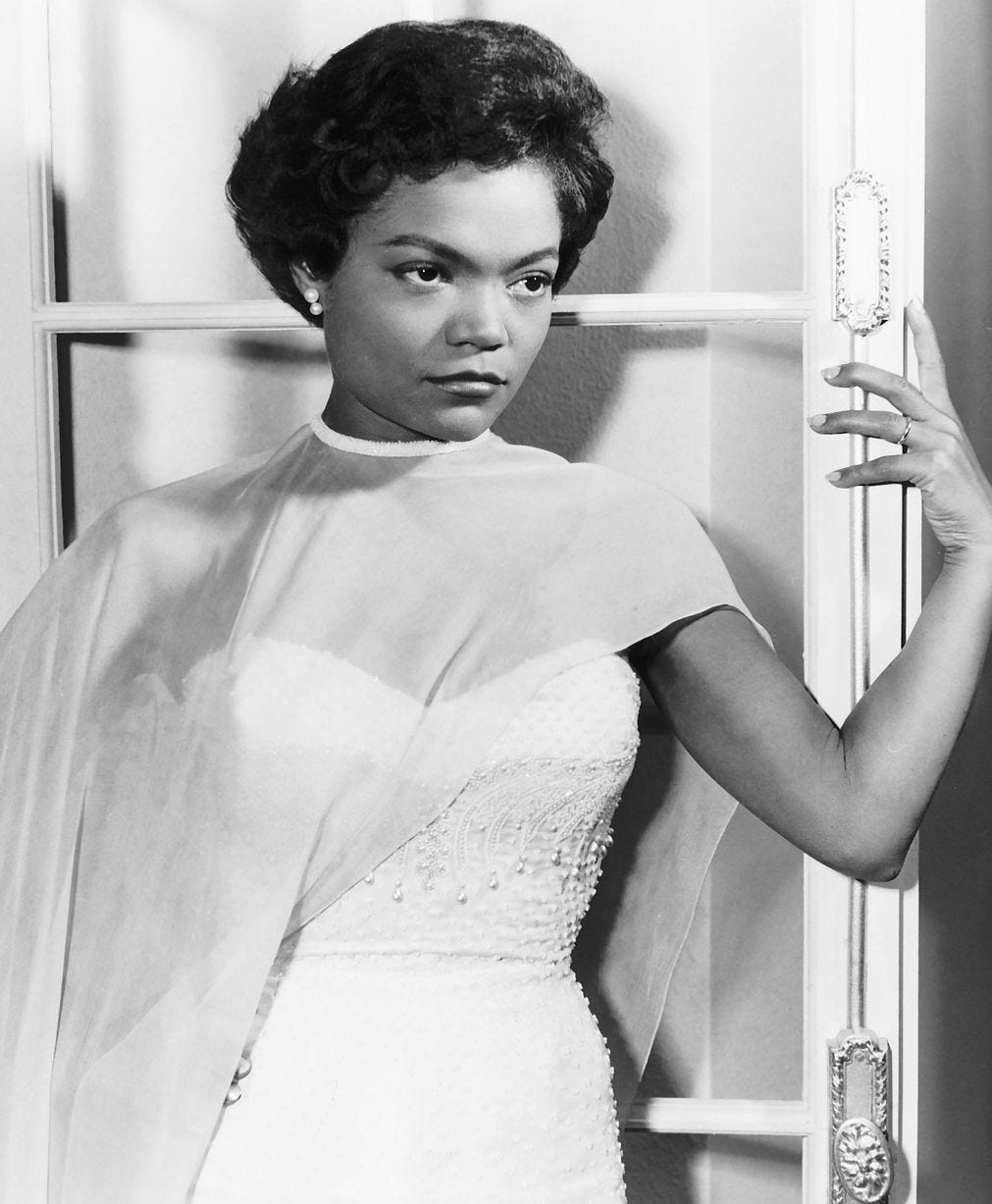
Eartha Kitt believed the most dangerous thing a Black woman could do was tell the truth. [Read more]
Browse the full archive here.
We can’t save what is lost, but not all is lost yet.